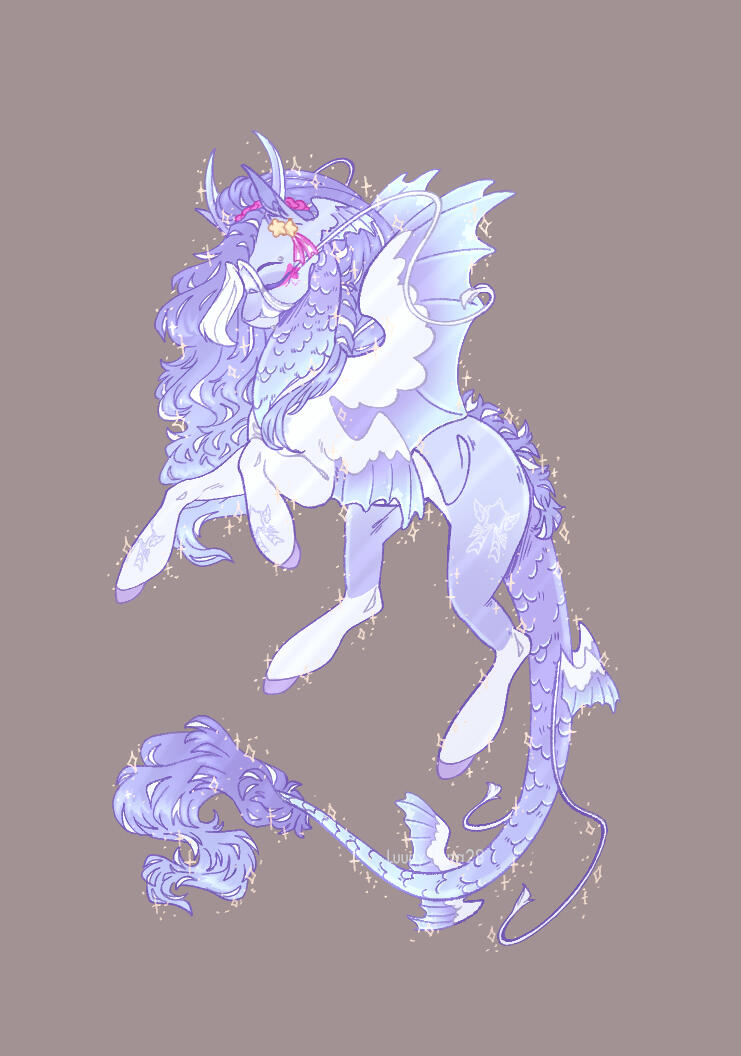
~ Colombe di Célestin ~
(semi-closed species)
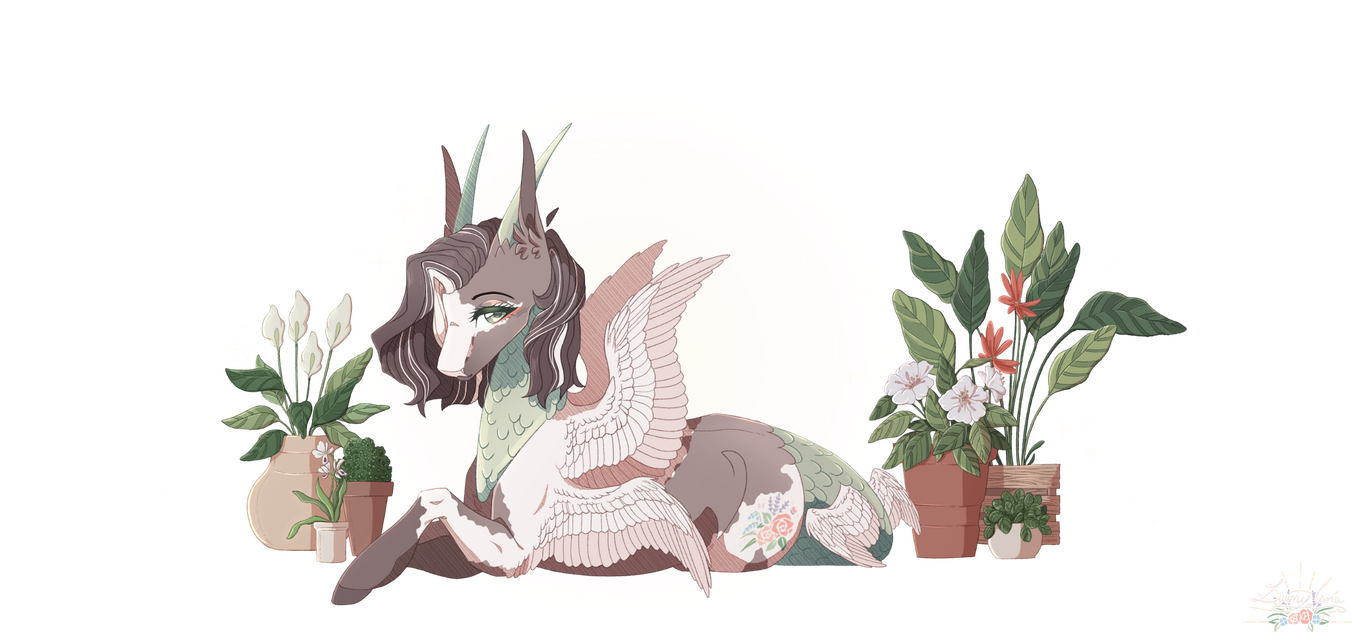

The Celestials are direct descendants of the Alicorns and Dragons. They emerged over 1300 years ago with the legend of a Dove descending from the sky in her Divine form. She was immaculate white, with horns and scales of brilliant gold and piercing yellow eyes that inspired respect, power, and trust. She was like an angel fallen from heaven; her name was Cybèle. She descended from the sky to bring peace and tranquility to the various species. She achieved this with difficulty after long negotiations, and she was accepted by the majority of other communities. She became one of the most important leaders of that distant time. By interacting with the different communities, she eventually united with Ares, who led a strong-willed semi-dragon people. Thus, she was able to perpetuate her lineage and species, giving birth to other variants.
Characteristics and Genetics
Physical Appearance
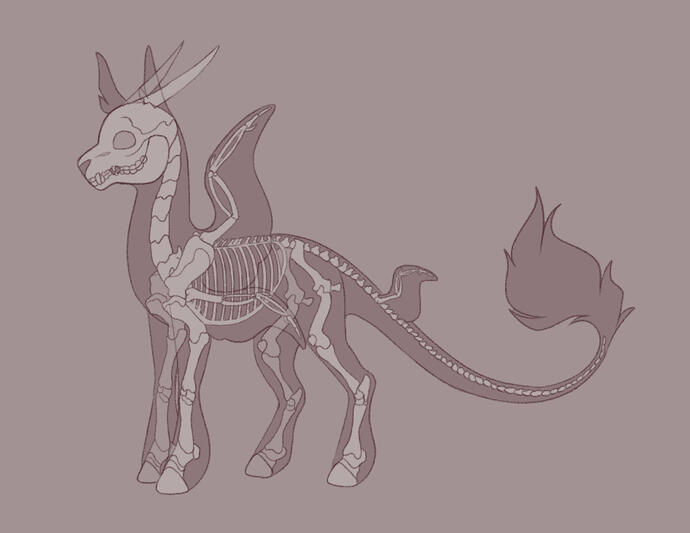
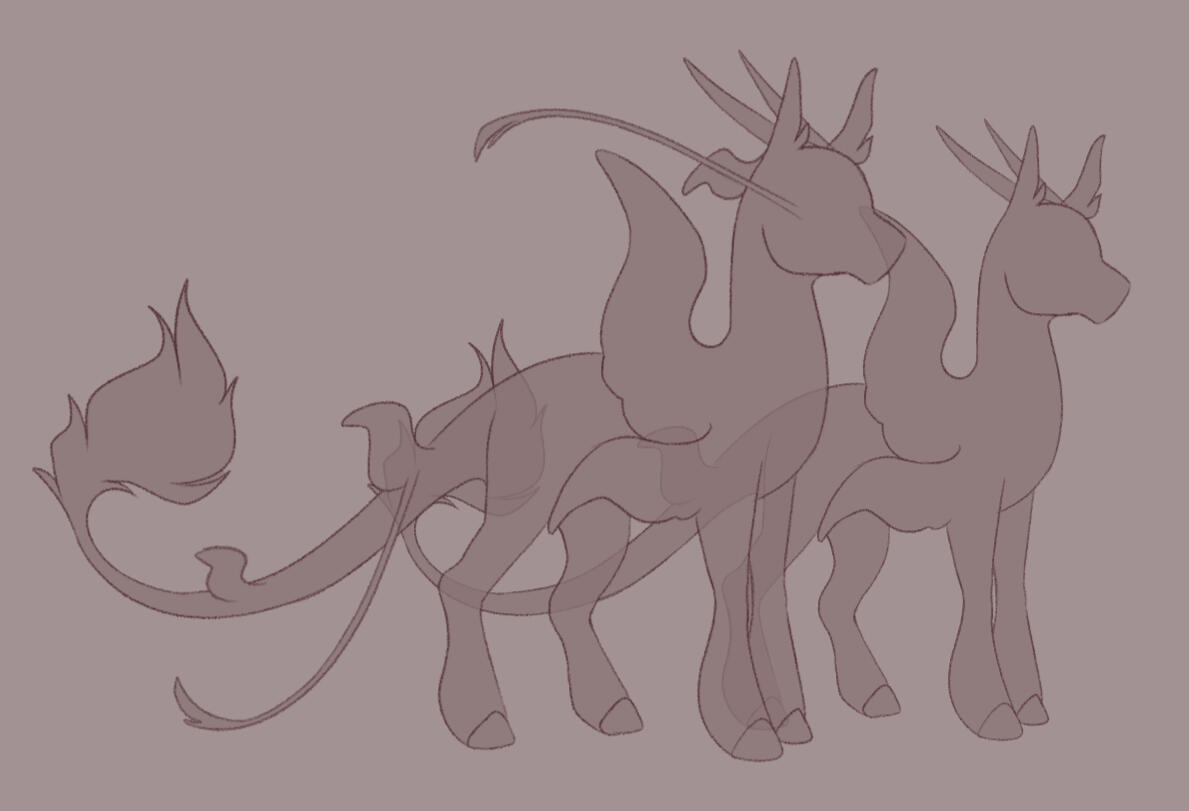
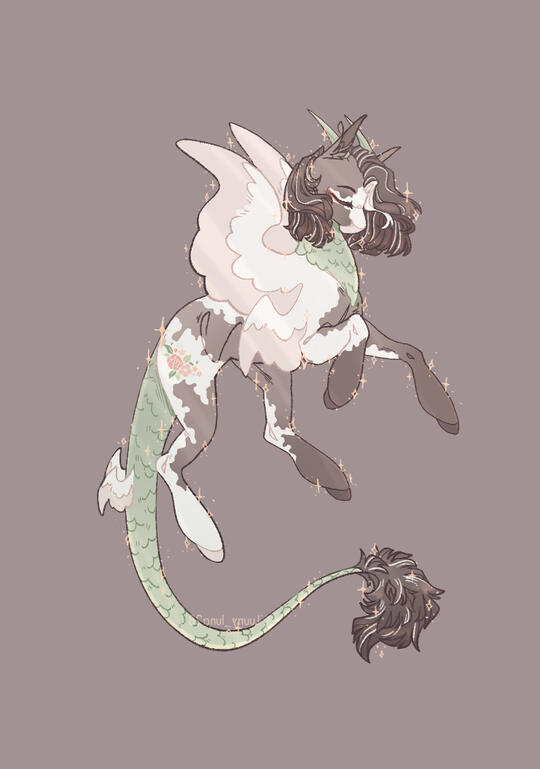
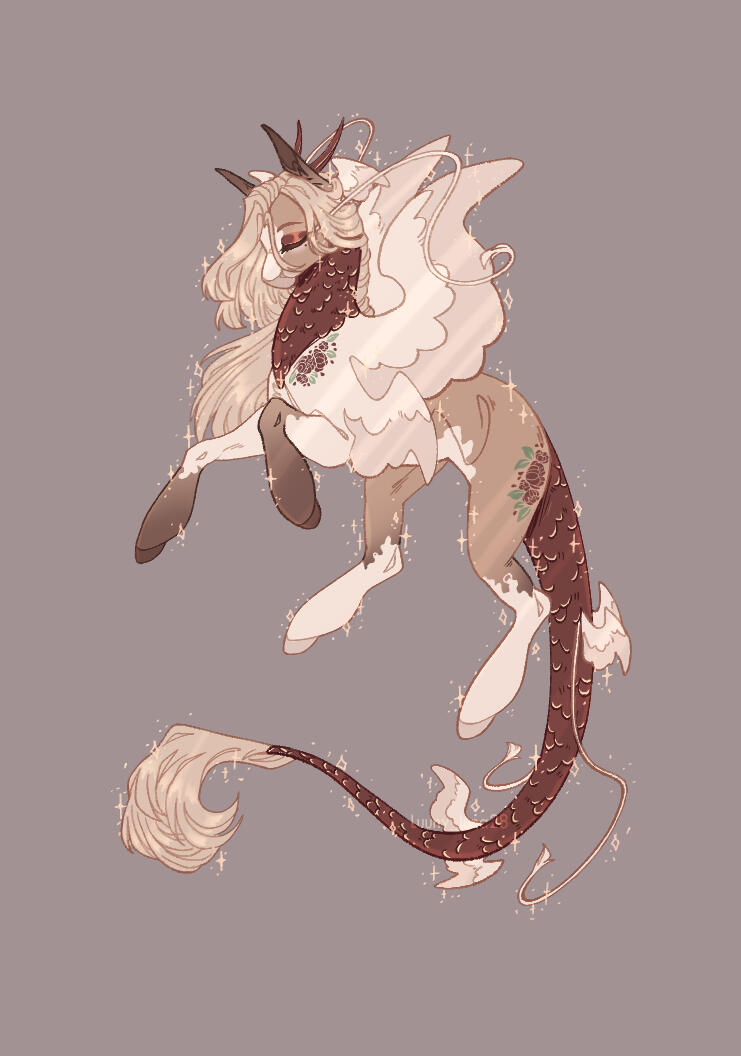
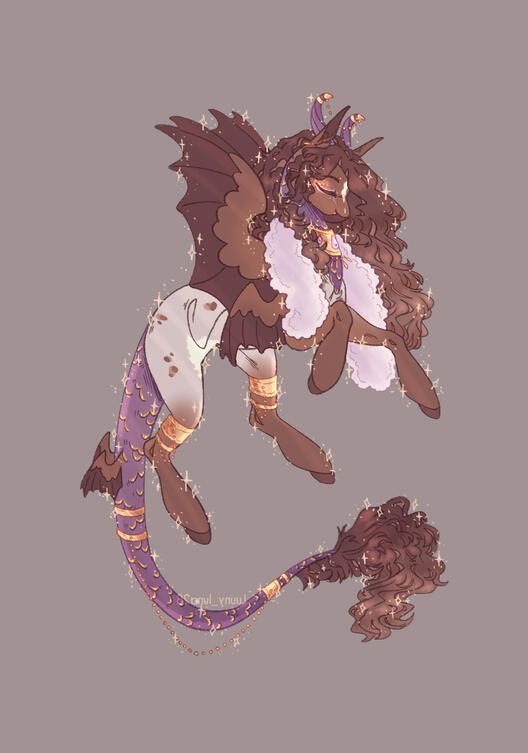
This species does not go unnoticed, due to their two pairs of wings that overlap at their shoulders and another pair located on their tails (or even two in some cases). Their tails and necks are covered in scales, and their horns (which vary from individual to individual) are located on the tops of their skulls and are also the same color as their scales (the same goes for their eyes, which often have one of the colors of their scales). Their scales and horns are as solid as diamonds, providing them with good protection, along with prominent fangs and a mark located under their eyes.
The Forms
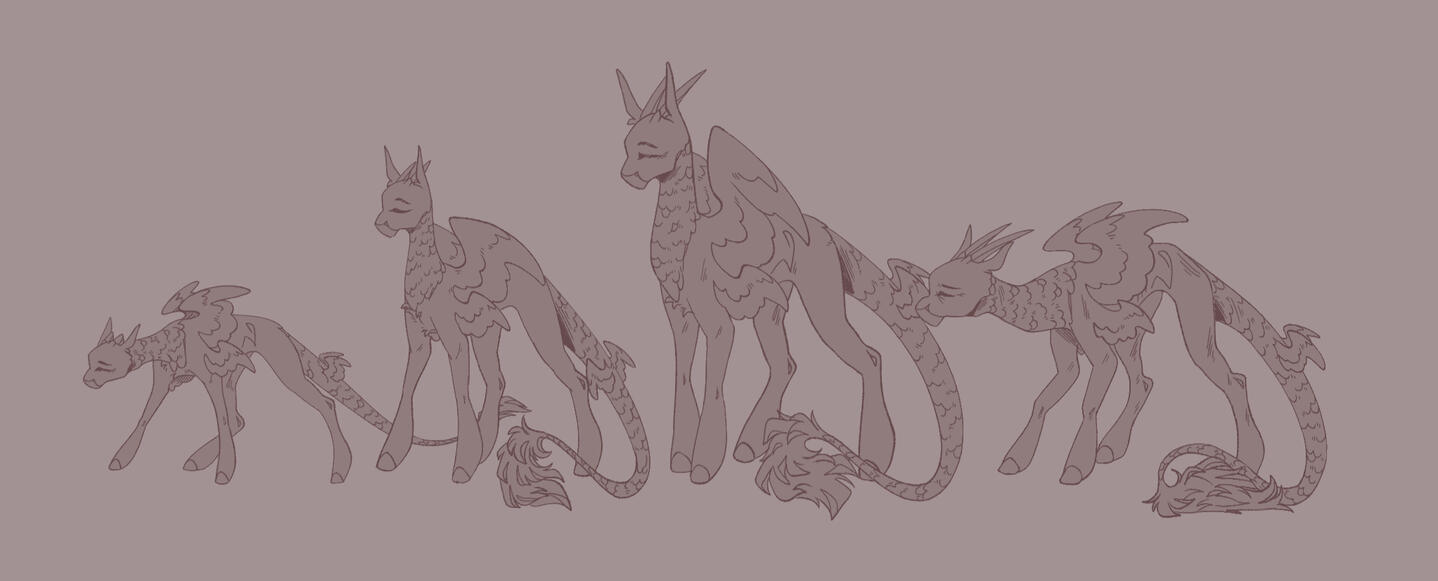
The Celestials have four different forms, divided into two distinct groups: the Doves, which have feathered wings, and the Dragons, which have membranous wings. Both groups have a basic form and a superior form. The superior form is larger and more powerful than the basic form, as it is closest to the original form.
Marking
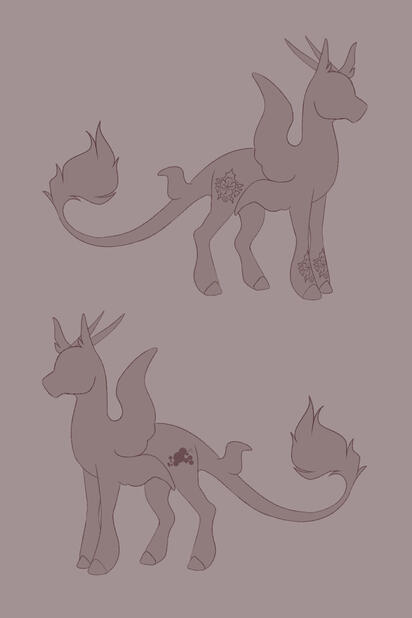
They possess two types of talent markings:-The first marking, most often found on the Doves, is a linear design that is usually symmetrical and is located on the flanks and the two front legs.-The second marking is a design always present on the flank, but it can occasionally appear on other parts of the body, although this is rare.-However, it does happen that some individuals have no markings at all, which remains very uncommon. They thus find themselves without talent and can only use their magic to move objects.
Specificity and Aptitude
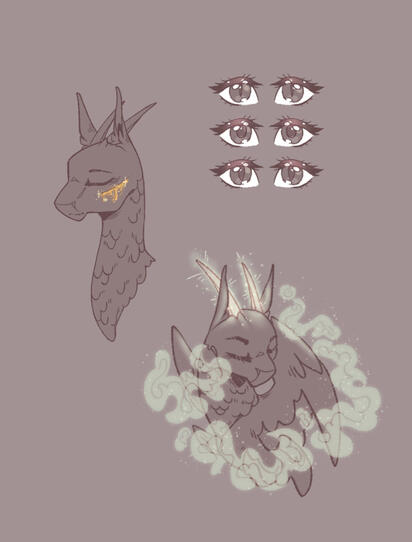
Doves have certain physical characteristics, whether visible or not, that make them more distinctive:-All individuals have golden-colored blood, which is often used in certain experiments because it possesses specific properties; it is said to be the blood of the gods.-Their pupils can contract and take the shape of a slit (like a cat’s) depending on the lighting or their mood.-Their powers can concentrate in their horns; when they use their abilities, these horns glow slightly. This magic is said to have the same color as their horns.
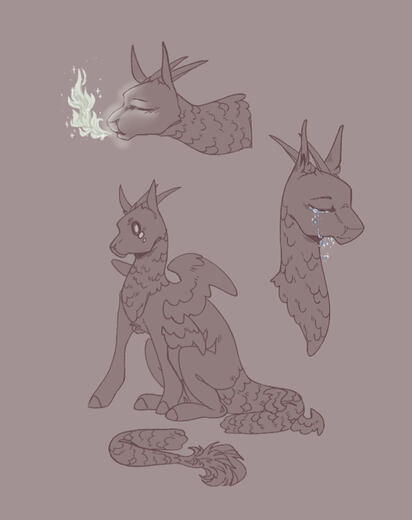
-Upon contact with air, their tears solidify and transform into small crystals, which are called dragon tears. They are highly valued and sell for a high price in markets.-Like dragons, they have the ability to breathe fire; their flames often match the color of their eyes or scales.-Similar to lizards, they can lose a part of their tail; however, it can only be cut at the 2/4 mark. It will regrow but will be slightly weaker than the original, and it can only regrow about twenty times.
Reproduction
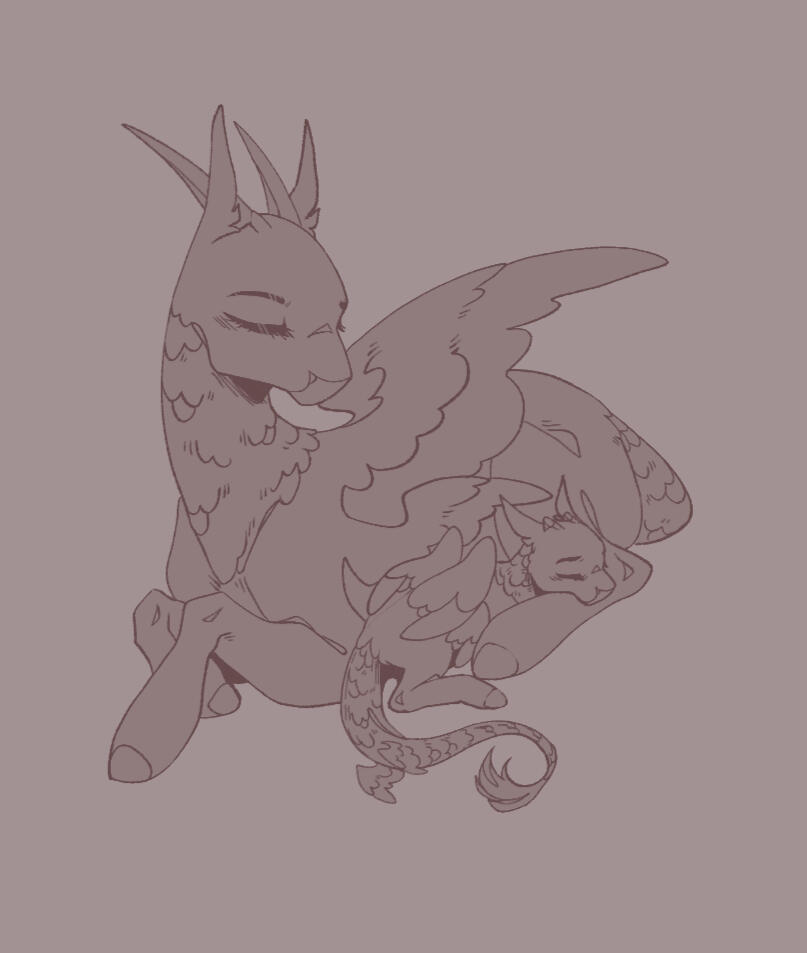
Célestins have no issues regarding reproduction, but there are still rules to follow and respect.
If two feathered Célestins reproduce, they will automatically give birth to a feathered form, with a 15% chance of it being a superior. The same applies to those with membranes.
If one parent is feathered and the other is membraned, the chance is 50/50, with a 10% chance of it being superior. If both parents are superior, they have a 30% chance of producing a superior offspring, and if one of the parents is superior, there is a 20% chance that the offspring will also be superior.
When it comes to reproduction with other species, there is a 25% chance that the offspring will be a Célestin, and if the parent is superior, there is a 10% chance that the offspring will also be of the same form as its Célestin parent.
Longevity
Doves have a longevity of over 200 years. They begin their life in their mother's womb for 12 months before she gives birth to a foal. At birth, they have a very slender, thin, and fragile body with long legs, which they must use to stand up within the next two hours. They already have sight, and their wings are curled up against their bodies; they will have to wait a few days before they can spread them, and they will start learning to fly between the ages of 5 and 10. Their horns are only slightly protruding from the tops of their skulls. Their growth is somewhat slow, and they will reach their adult size by the age of 38. After that, they will begin to age very slowly; however, their horns will continue to grow at a slower rate until their death. Because of this, it is possible to determine the age of a Célestin.
Divin
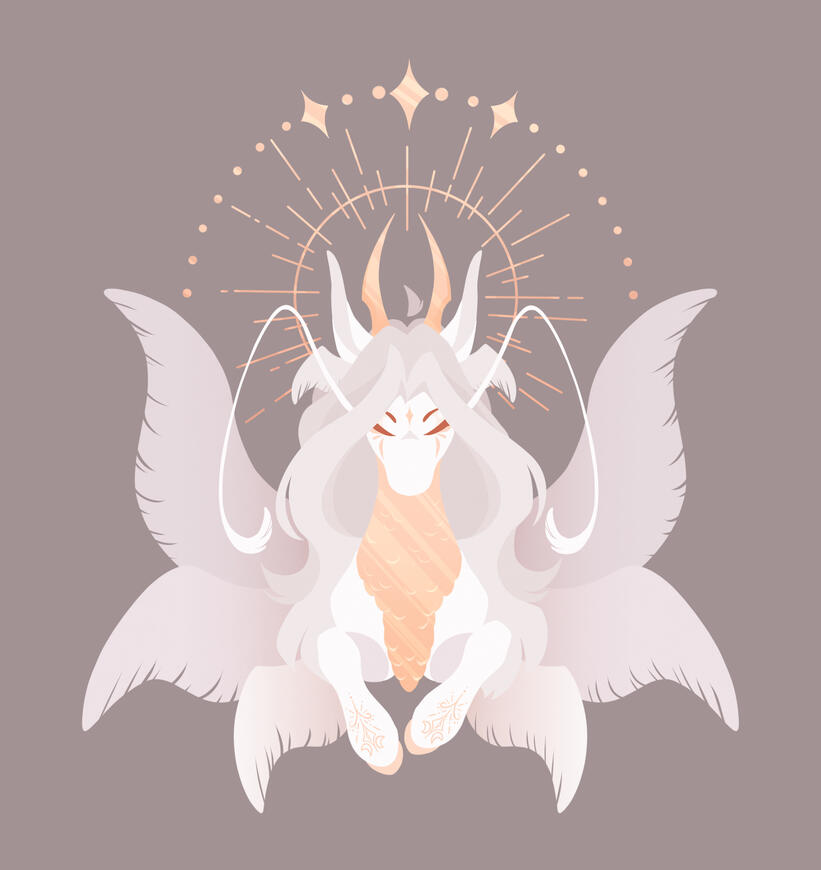
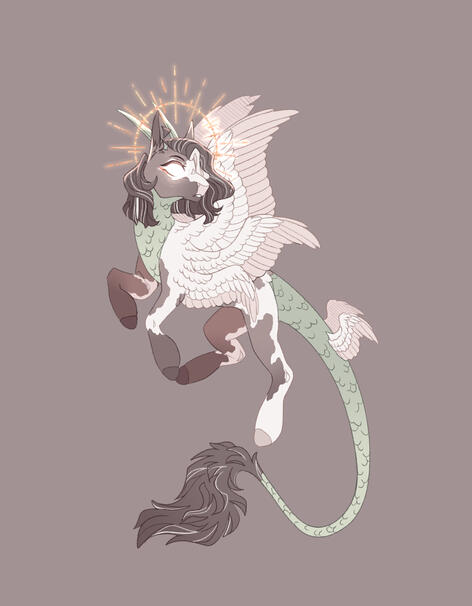
The absolute form of the Célestins is the divine form. This form is rarely used due to its dangerousness and difficulty of mastery. Those who manage to take on this form often end up being uncontrollable and unleashed. This form grants them a third pair of wings, allowing them to unleash violent winds of over 130 km/h. Their horns enable the use of lightning, and a halo appears above their heads. It is partly this halo that grants them this uncontrollable power. Only a few individuals manage to master this form, and they are mostly the superior Célestins, but this remains very, very rare.

The Variants
The Doves
The most common form among the Célestins is that of the doves. These are basic feathered Célestins, with two pairs of wings located at their shoulders and another pair at the top of their tails. A pair of horns sits atop their skulls, their tails and necks are covered in scales, and they possess a round tongue.
Celestial
One of the rarest forms of the Célestins is the Celestial form. These are superior Célestins, larger and more powerful than the lower dove form. They have two pairs of feathered wings at their shoulders, two more at the top and bottom of their tails, and one wing on each ear. A pair of horns sits atop their skulls, their tails and necks are covered in scales, and they have two pairs of whiskers—one located below their eyes and another on the first pair of tail wings. They also possess a round tongue.

The Vipers
Vipers are one of the forms closest to dragons due to their descent from a semi-dragon. They are considered the basic form of membraned Célestins, featuring two pairs of membraned wings located at their shoulders and another pair at the top of their tails. A pair of horns sits atop their skulls, their tails and necks are covered in scales, and they possess a forked tongue.
Draco
The superior form of semi-dragon Célestins is the Dracos. Like the Celestials, they are more powerful and rarer to find. They have two pairs of membraned wings at their shoulders, two more at the top and bottom of their tails, and one wing on each ear. A pair of horns sits atop their skulls, their tails and necks are covered in scales, and they also possess two pairs of whisker: one located below their eyes and another on the first pair of wings on their tails. Additionally, they have a forked tongue.